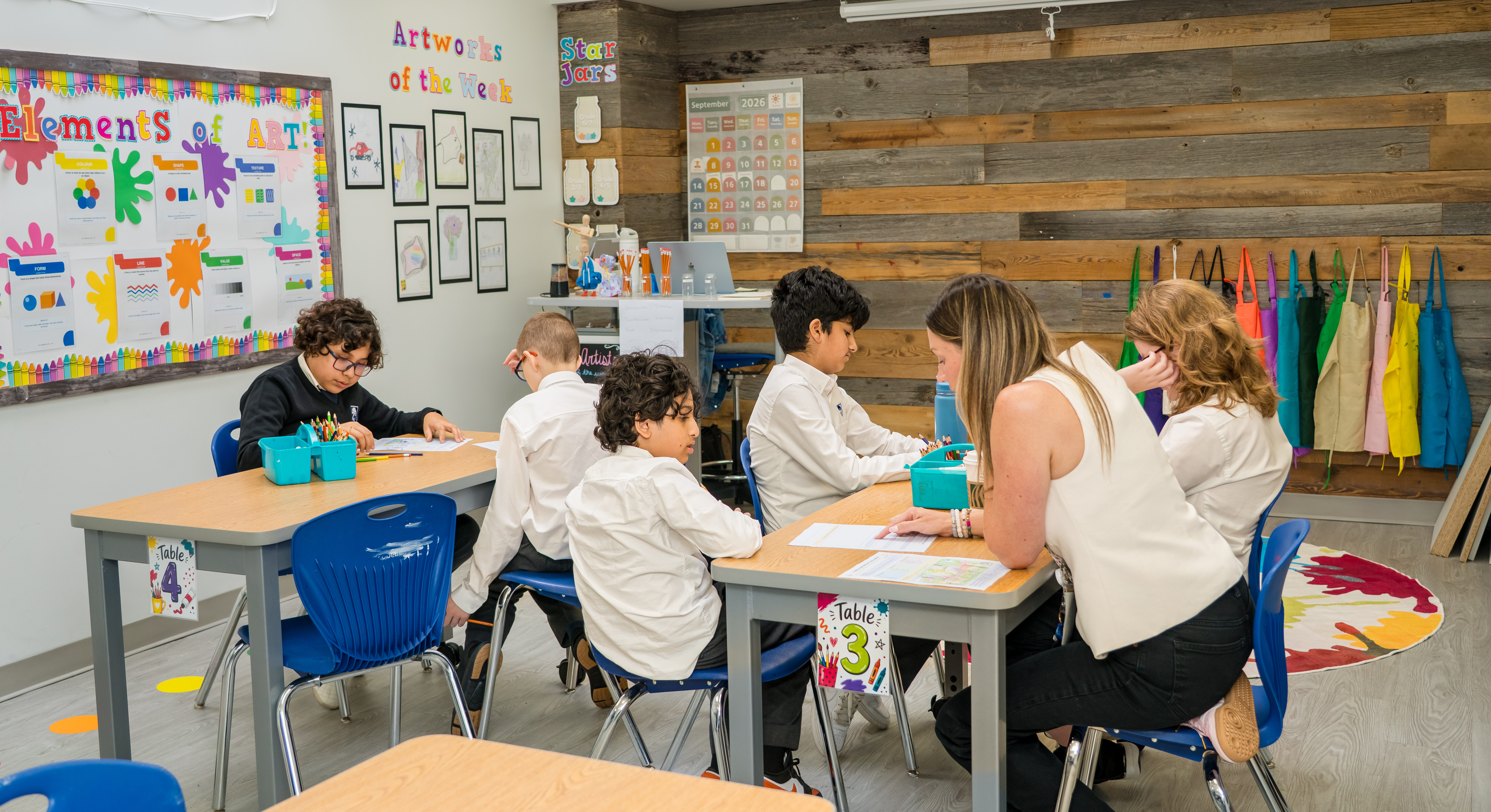
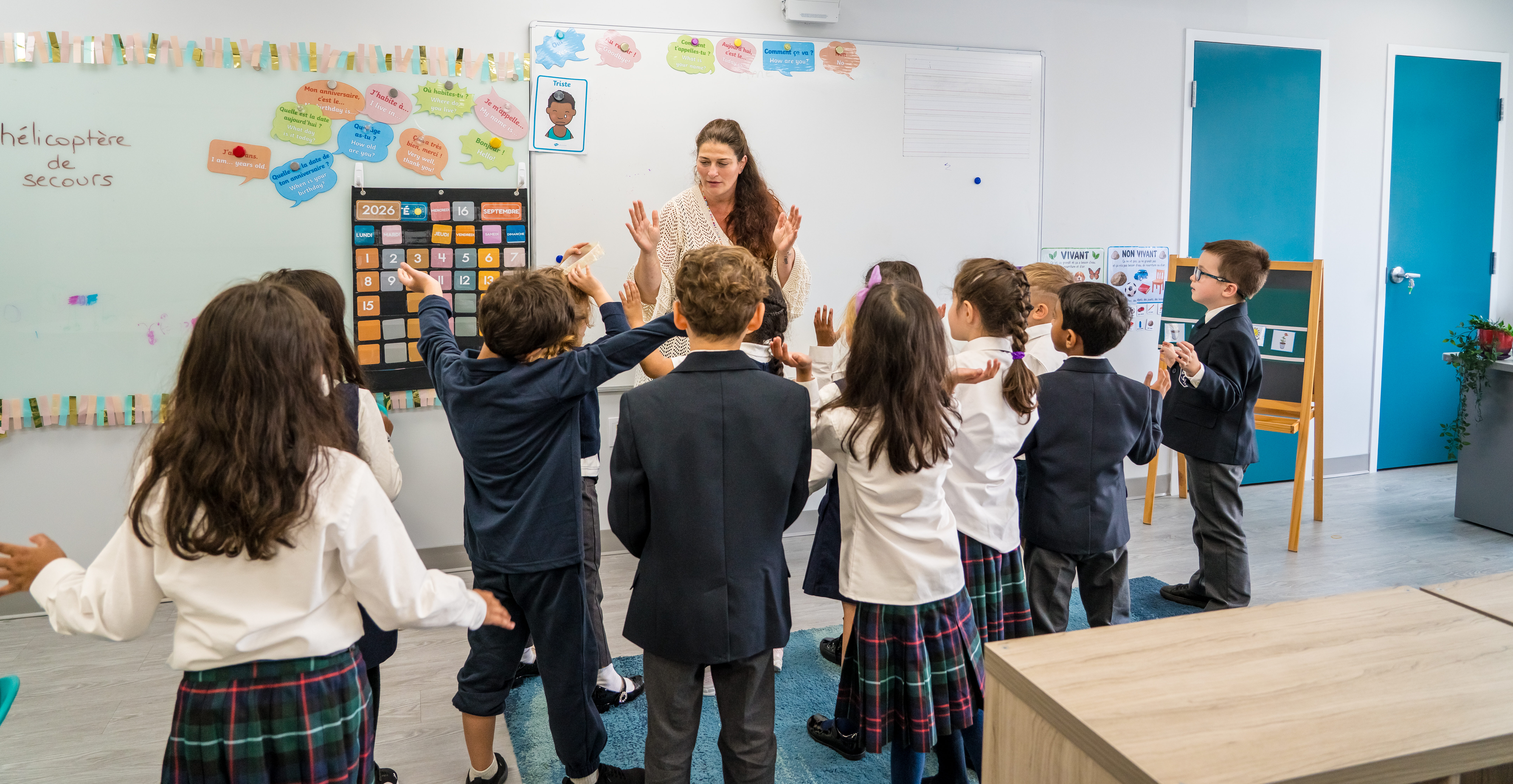
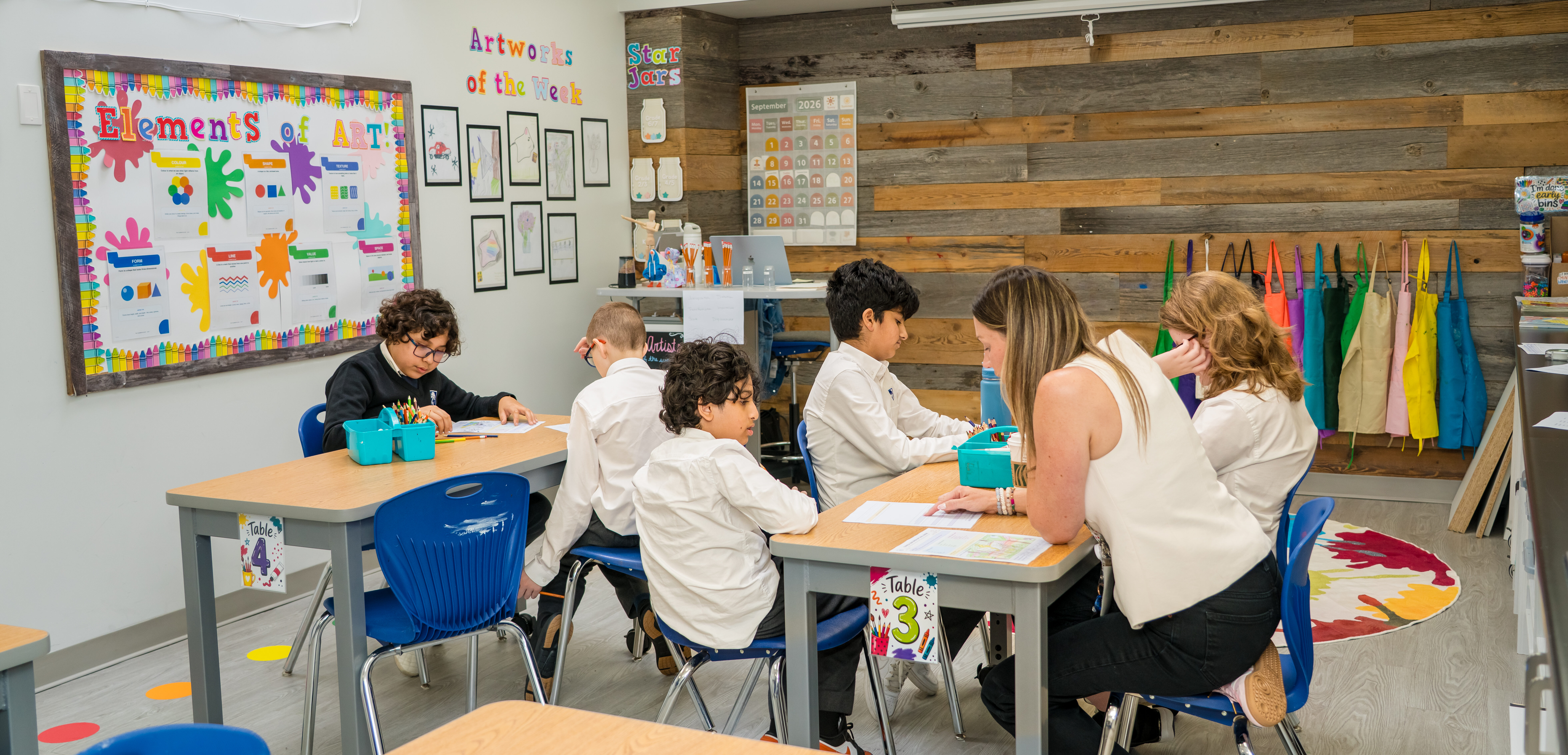
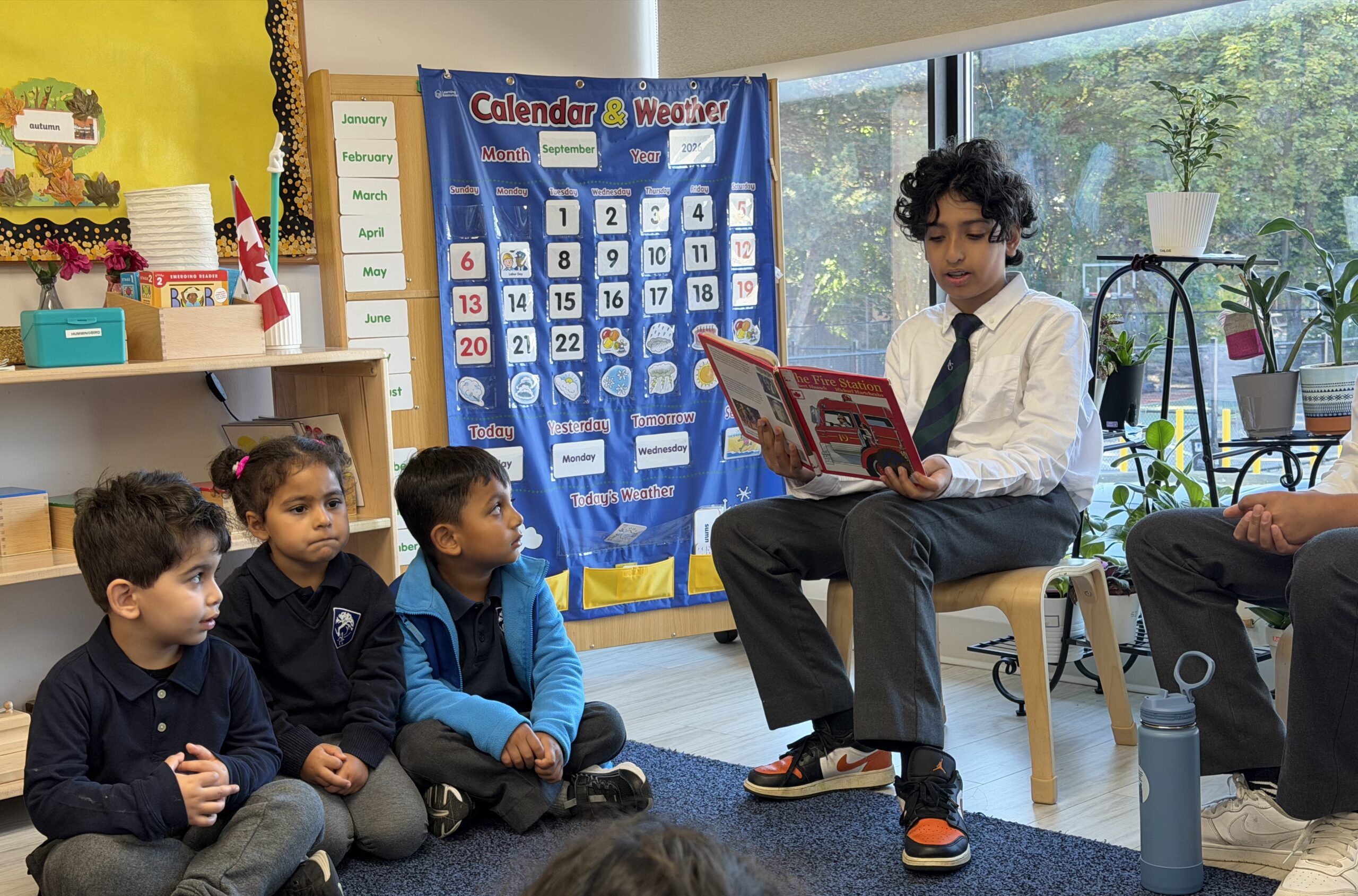
Small class sizes can make a meaningful difference in how students experience learning. In an International Baccalaureate (IB) classroom, where inquiry, discussion, collaboration, and reflection are central to the learning process, having fewer students creates more opportunities for meaningful participation, individualized support, and individual growth.
More Opportunities to Participate
Inquiry-based learning relies on discussion, open-ended questions, collaboration, and the exchange of ideas. Smaller classes give students more opportunities to contribute, share perspectives, and engage actively in classroom learning.
More Confidence to Ask Questions: A smaller classroom can create a more comfortable environment for students to share ideas, ask questions, and take intellectual risks. With more opportunities to participate, students can become increasingly confident in expressing their thinking and learning from the perspectives of others.
More Individualized Support
In a smaller classroom, teachers can develop a deeper understanding of each student’s strengths, interests, and areas for growth. This allows them to:
- Recognize where a student is excelling
- Identify areas where additional support may be needed
- Address misconceptions as they arise
- Provide targeted feedback on writing and research
- Understand individual learning styles and interests
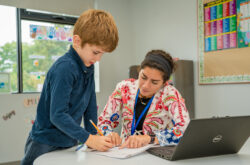
Stronger Relationships and Confidence
Smaller classes also create more opportunities for teachers to build meaningful relationships with their students. When students feel known and supported, they may be more willing to ask questions, share ideas, try something new, and reflect on their learning.
The Teacher as Facilitator
In an inquiry-based classroom, teachers guide learning by asking thoughtful questions, encouraging discussion, and helping students make connections. Smaller classes allow teachers to respond more closely to individual thinking and adapt their guidance as learning develops. Rather than simply delivering information, teachers can create opportunities for students to investigate ideas and take an active role in their learning.
At Ashwood Glen, small class sizes are an important part of creating an environment where students are known, supported, and encouraged to participate fully in their learning. With classes capped at 13 students in Kindergarten and 16 students in Grades 1–8, each student has more opportunities to contribute, receive individualized guidance, and develop meaningful relationships with their teachers and peers.