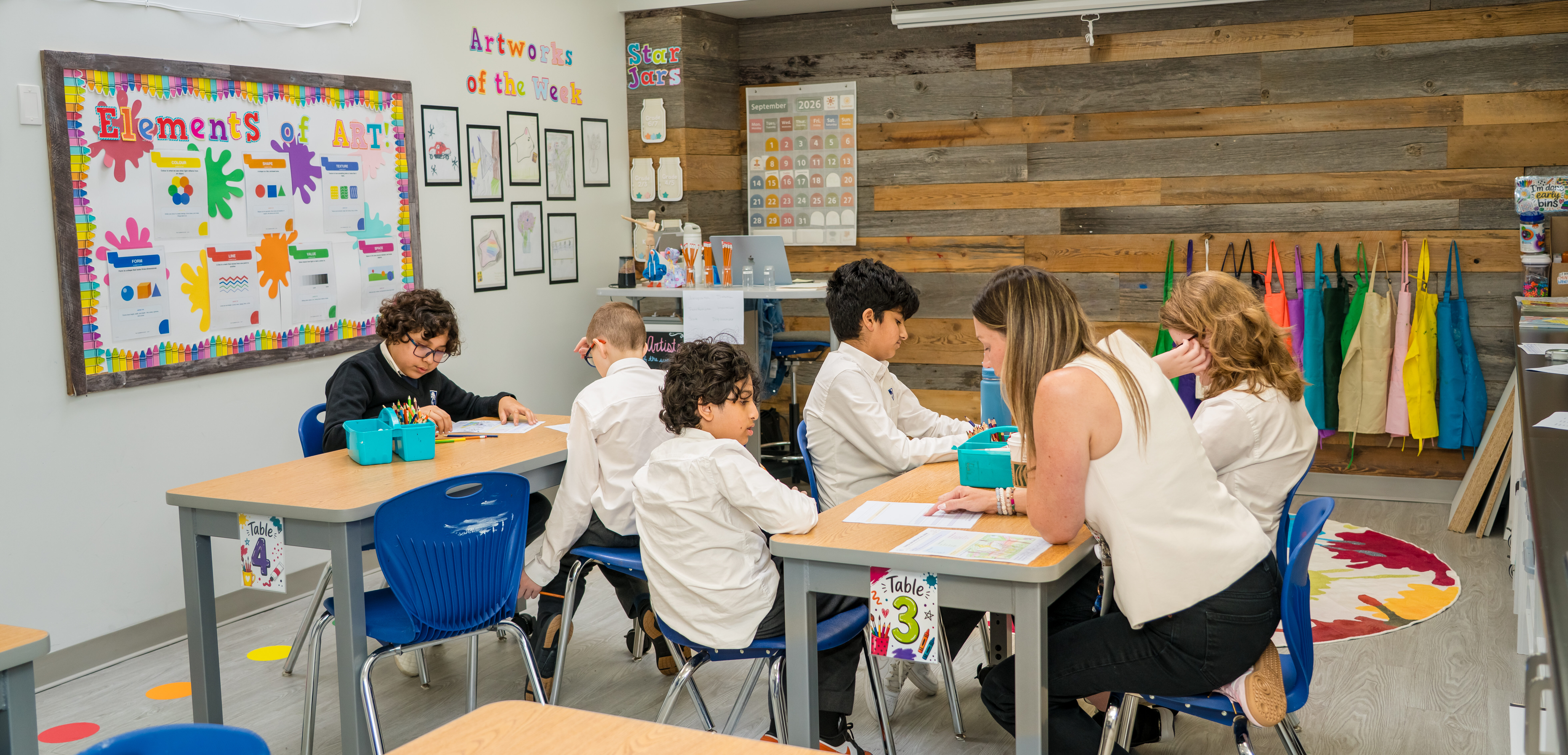
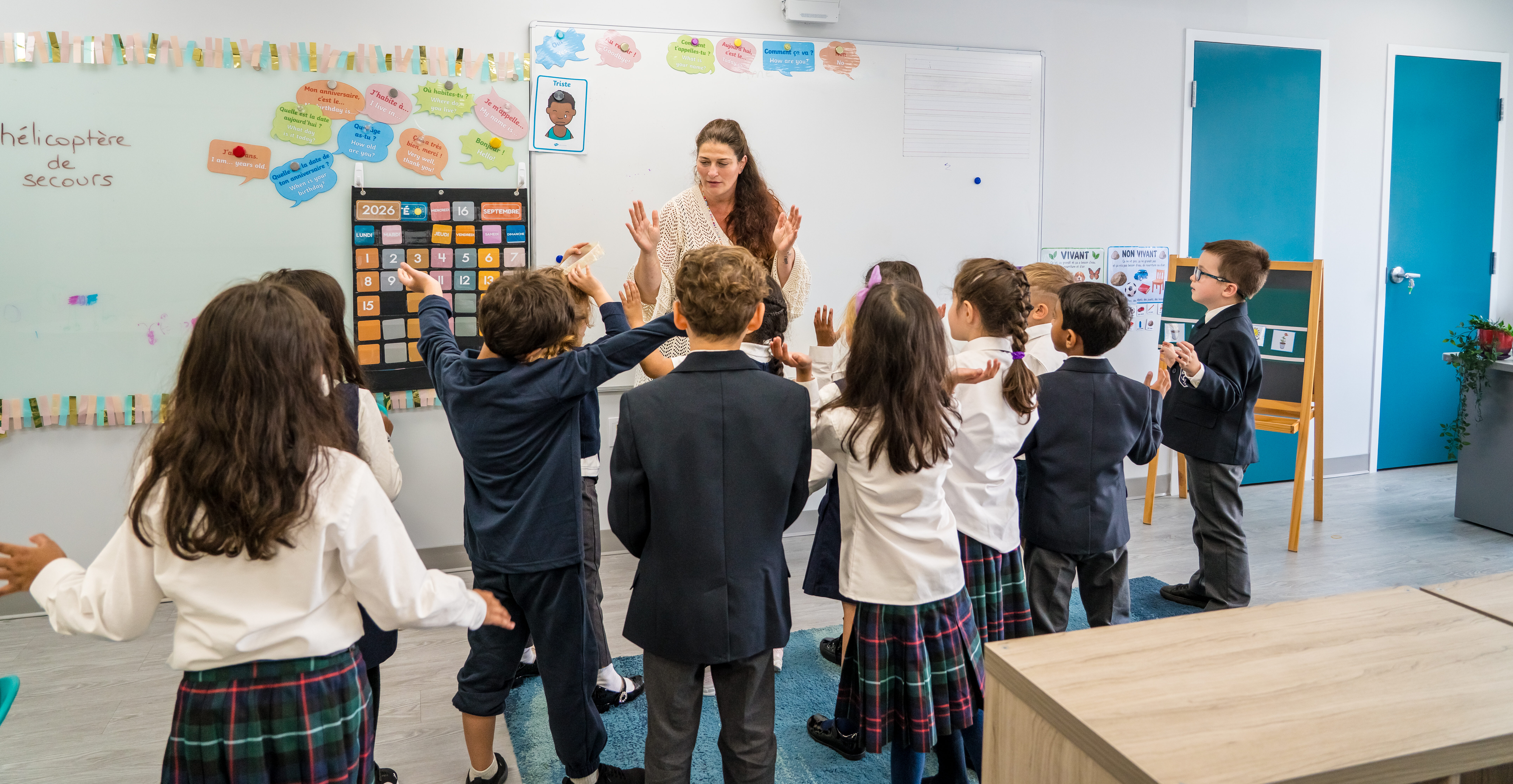
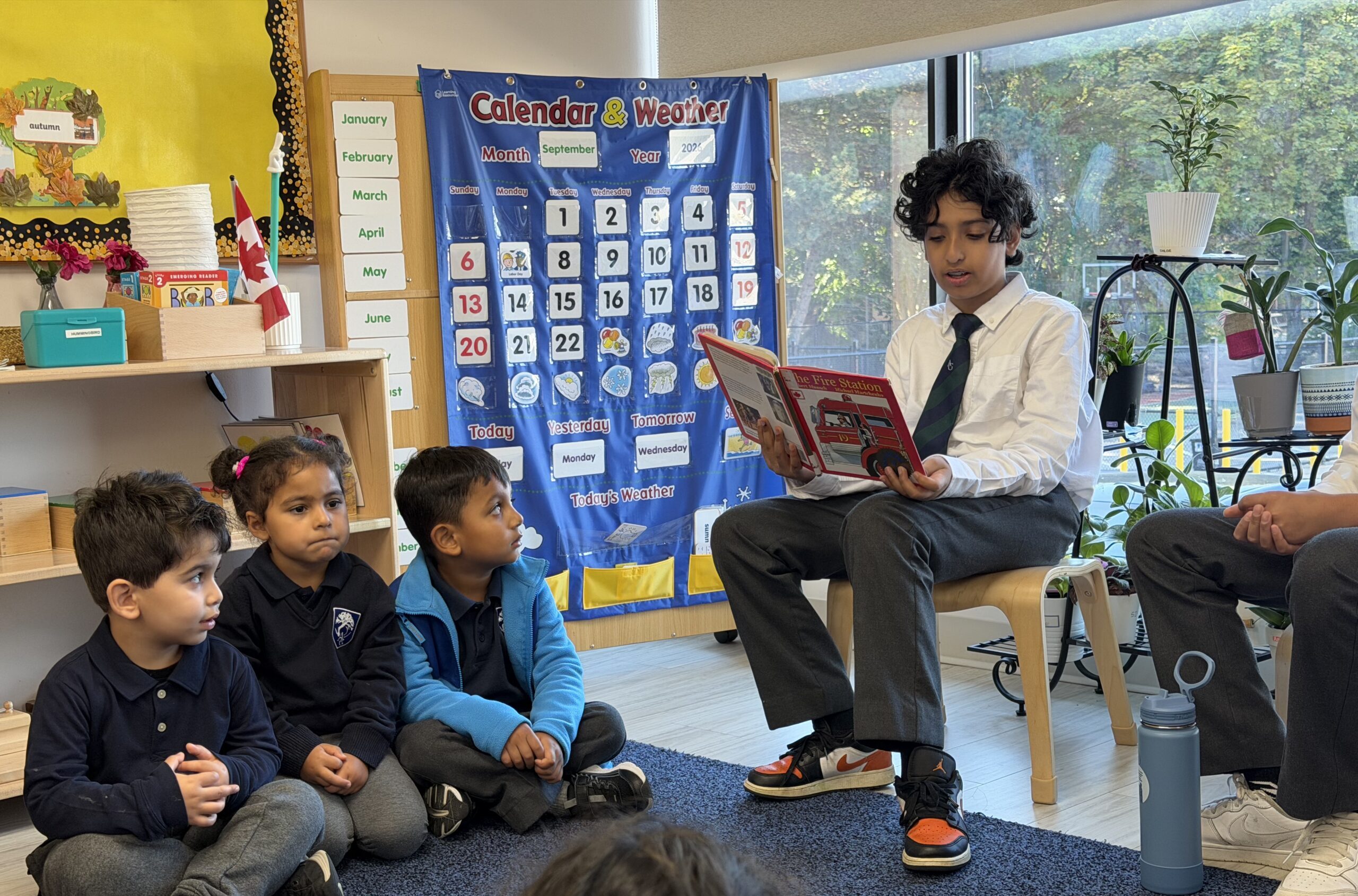
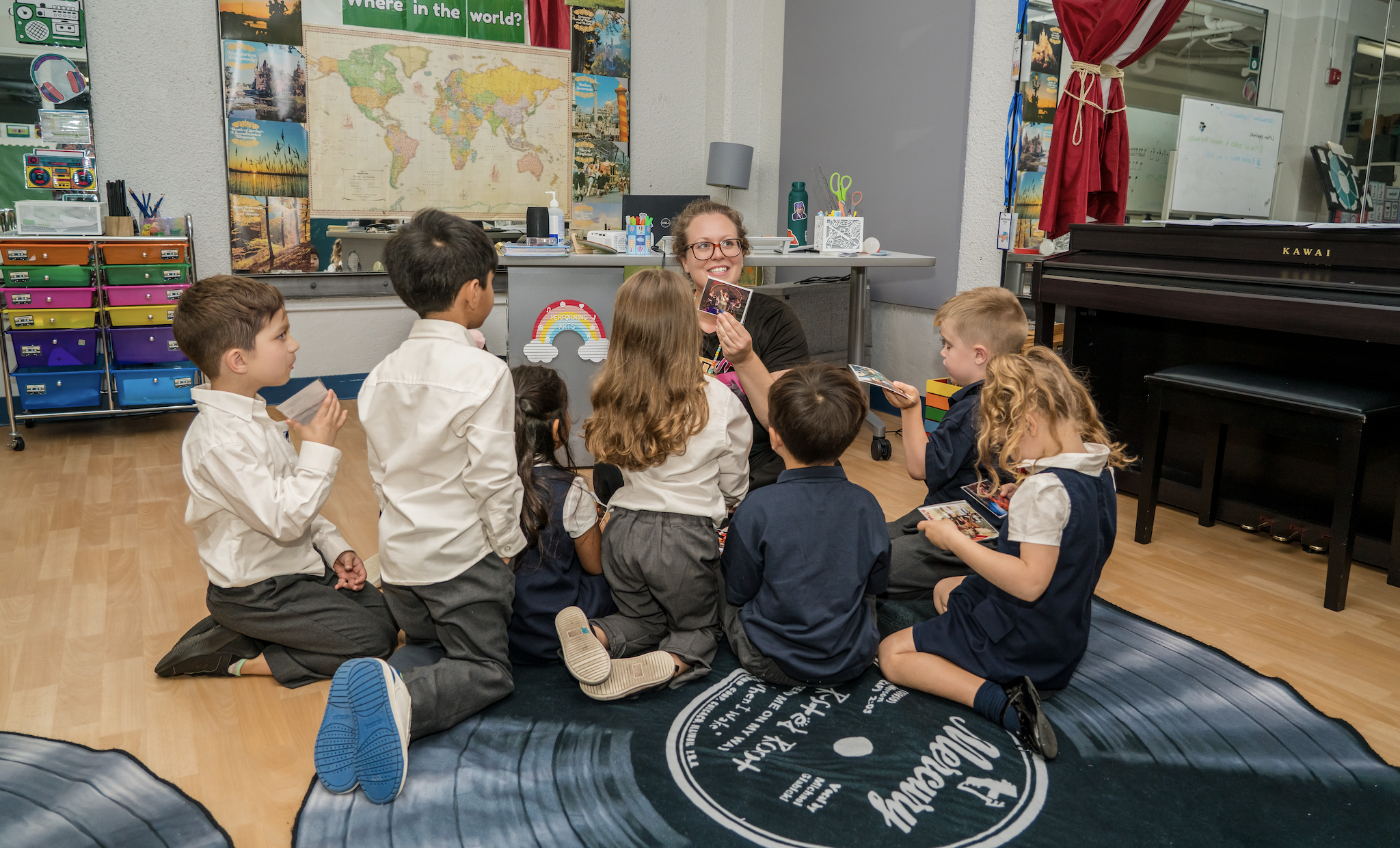
In the International Baccalaureate (IB) Primary Years Programme (PYP), a Unit of Inquiry (UOI) is a 4-to-6-week thematic unit that replaces isolated subject teaching with real-world exploration. Instead of separating the day into traditional blocks like “science” or “social studies,” students investigate a broad, real-world topic where multiple subjects blend naturally together.
What is a Unit of Inquiry (UOI)
Each Unit of Inquiry is carefully designed to move students from curiosity to understanding. Students begin with questions, explore ideas from different perspectives, and make connections across subjects.
- Central Idea: A big, overarching statement that captures the key understanding students will develop during the unit (e.g., “Human choices impact the survival of living things.”)
- Lines of Inquiry: 3 or 4 specific areas that help define the scope of the inquiry and guide students’ exploration.
- Key Concepts: Essential lenses—such as Form (What is it like?), Function (How does it work?), and Causation (Why is it like this?)—that help students think critically and make connections across disciplines.
How Inquiry Learning Works
Over the course of a school year, students explore six global themes that connect their local lives to international perspectives:
- Who we are: Inquiry into the nature of the self, beliefs, values, health, and relationships.
- Where we are in place and time: Exploration of personal histories, discoveries, migrations, and civilizations.
- How we express ourselves: Discovery of how we discover and express ideas, feelings, and culture through creativity.
- How the world works: A look into the natural world, its laws, and the impact of science and technology.
- How we organize ourselves: An inquiry into human-made systems, communities, and economic activities.
- Sharing the planet: A deep dive into rights, finite resources, peace, and conflict resolution.

From Learning to Action
Rather than learning subjects in isolation, students explore meaningful questions and make connections across different areas of learning.
This journey transitions students from Tuning In (sharing what they already know) to Finding Out (conducting hands-on experiments or interviewing experts) and Sorting Out (organizing data into mind maps). Throughout the inquiry process, students are encouraged to consider how their learning connects to the world around them and, when appropriate, how they can take meaningful action.
Turning Knowledge into Action
Parents can support inquiry at home, too. Asking children what they are learning, what questions they have, and how their thinking has changed can extend the inquiry beyond the classroom. IB units encourage students to apply what they learn. These questions prompt reflection and real-world application.
- Personal Impact: “Now that you know about this, has it changed the way you think about your own daily choices?”
- Problem Solving: “What is a problem related to this topic, and what do you think is a possible solution?”
- Taking Action: “Is there something small we can do as a family at home to help with this issue?”
- Learner Profile: “Which Learner Profile attribute (like being Caring, Principled, or an Inquirer) did you use the most today?”
Through Units of Inquiry, students learn to ask questions, make connections, and think deeply about the world around them. The goal is not simply to build knowledge, but to help students become curious, reflective, and engaged learners who can apply their understanding beyond the classroom.